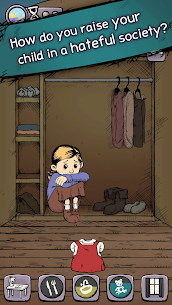
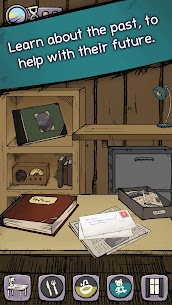
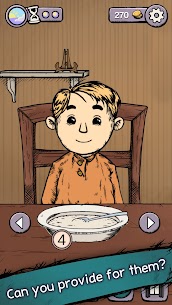
My Child Lebensborn Mod is a narrative-driven simulation game that focuses on raising a child in a difficult and emotional setting. Instead of action or competition, the game is built around care, empathy, and the everyday choices that shape a young life. You take on the role of a guardian, responsible for guiding a child through a world that does not always treat them kindly. From the beginning, it becomes clear that your decisions will have a lasting impact.
The story unfolds slowly, giving you time to understand the child’s situation and personality. There are no rushed moments or overwhelming mechanics. Instead, you are asked to pay attention to small details—how the child feels, what they say, and how they react to the world around them. These quiet moments are where the game really stands out, offering a thoughtful experience that feels personal and grounded.
Daily life in the game revolves around simple tasks such as preparing meals, managing time, and responding to conversations. While these activities may seem basic, they carry emotional weight. A single choice in dialogue or a missed moment of care can influence the child’s mood and development. Over time, you begin to see how consistent support and understanding can help them grow stronger.
The atmosphere is calm but often reflective. There are moments of warmth, but also moments that make you pause and think. The game does not rely on fast gameplay or flashy visuals. Instead, it builds its impact through storytelling and the connection between you and the child. This approach makes it feel different from most simulation games, offering something more meaningful than simple progression.
Main Features of My Child Lebensborn
Story-Focused Experience
The game places strong emphasis on narrative, allowing players to follow a personal and emotional journey.
Choice-Driven Gameplay
Every decision, whether big or small, can affect the child’s feelings and development over time.
Daily Care Mechanics
Players manage everyday tasks such as feeding, budgeting, and spending time with the child.
Emotional Interaction System
Conversations play a major role, with responses shaping how the child reacts and grows.
Simple and Accessible Controls
The game is easy to navigate, allowing players to focus on the story rather than complex systems.
Gradual Progression
The experience unfolds at a steady pace, giving players time to understand the child’s needs.
Meaningful Consequences
Choices carry weight, and their effects can be seen in the child’s behavior and outlook.
Reflective Atmosphere
The overall tone encourages players to think carefully about their actions and their impact.
How to Play My Child Lebensborn
1. Pay Attention to Needs
Keep track of the child’s basic needs such as food, rest, and emotional well-being.
2. Manage Your Time
Balance work, care, and daily activities so that nothing important is neglected.
3. Listen During Conversations
Take time to understand what the child is saying before choosing a response.
4. Choose Responses Carefully
Your words can influence confidence and mood, so think before answering.
5. Plan Your Resources
Money and supplies are limited, so spend wisely to ensure long-term stability.
6. Build Trust Over Time
Consistency and support help create a stronger bond between you and the child.
7. Observe Changes
Notice how the child reacts to your decisions and adjust your approach if needed.
8. Stay Patient
Progress takes time, and steady care often leads to better outcomes.
Conclusion
My Child Lebensborn offers a different kind of experience, one that focuses on care, understanding, and emotional connection. It moves away from traditional gameplay and instead invites players to reflect on their choices and their effects.
For those looking for something more thoughtful and story-driven, this game provides a memorable journey. It may not be fast or action-packed, but its quiet moments and meaningful decisions leave a lasting impression that stays with you long after you finish playing.